Identifying Pennsylvania Raptors

Correct identification is the foundation of successful raptor rehabilitation. The moment a bird arrives, rehabilitators must determine the species in order to provide the correct diet, housing, and medical care. Misidentification can lead to improper feeding, dangerous housing decisions, and even unnecessary “kidnapping” of young birds that did not need rescue.

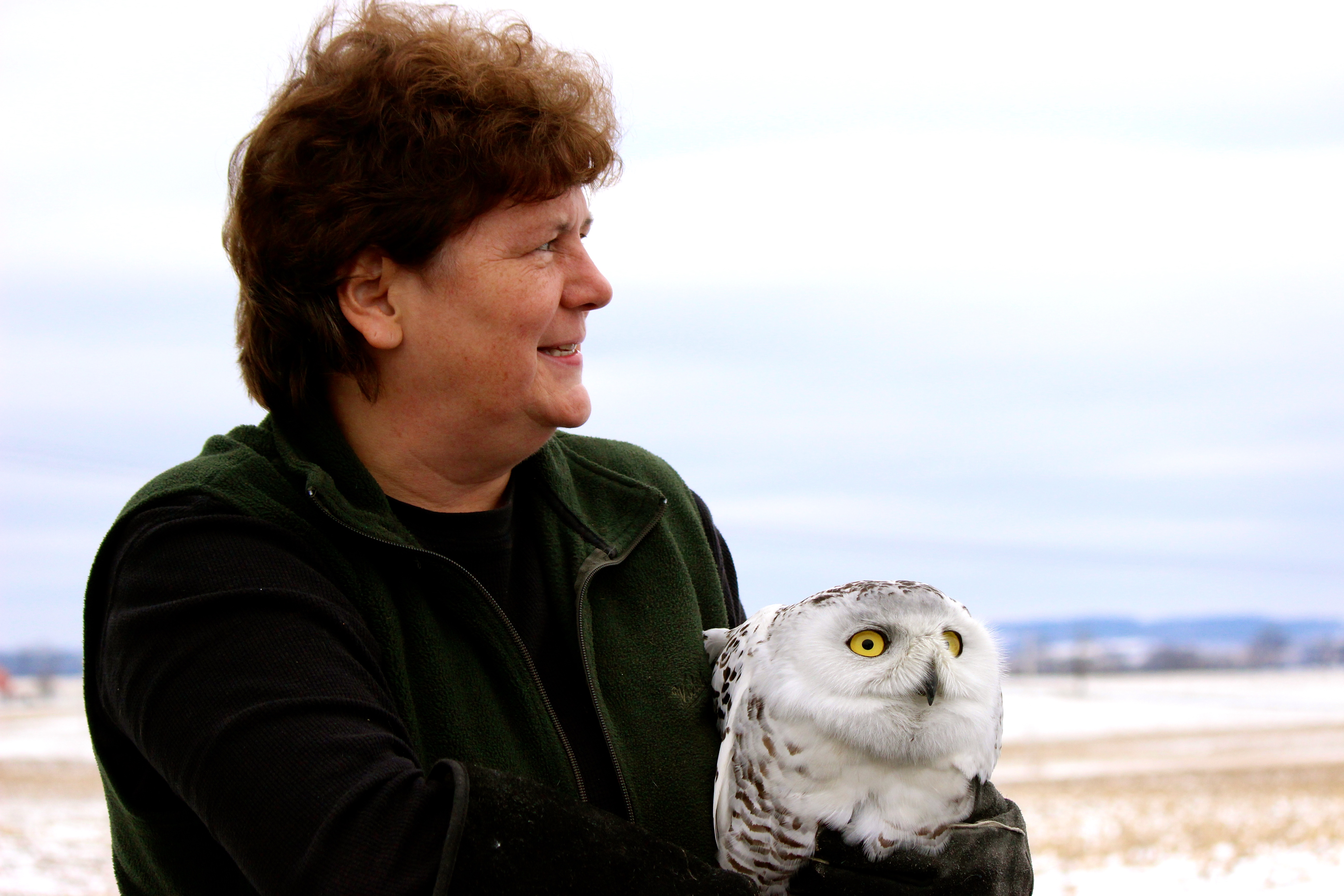
In this practical, rehabilitation-focused lecture, Peggy Hentz of Red Creek Wildlife Center teaches you how to identify Pennsylvania’s raptors quickly and confidently. Instead of memorizing confusing color patterns, you will learn reliable identification techniques based on structure, including feet, talons, facial features, and hunting adaptations. These methods work not only for adults, but also for nestlings and even tiny hatchlings.

The lecture also covers common misidentifications, distinguishing similar species such as Cooper’s Hawks and Sharp-shinned Hawks, and recognizing raptor groups by their physical characteristics. By the end of the session, you will have a clear framework for identifying raptors both in the field and in the hand.

Whether you are a new rehabilitator or an experienced wildlife professional looking to strengthen your identification skills, this lecture provides practical tools you can apply immediately in your work with raptors.

What’s Included

• Over one hour of professional instruction focused on practical raptor identification skills for wildlife rehabilitators
• Real-world identification techniques used at Red Creek Wildlife Center, caring for thousands of wildlife patients each year
• Downloadable raptor identification handout designed as a field and clinic reference guide
• Certificate of completion for 2 continuing education credit hours awarded after successfully passing the course exam

Already enrolled in Full-Access?

Good news — this material is already included in your program.

LECTURE COST $ 15.95

ENROLL
 

Cottontail Breakthroughs – Solving the Problems That Kill Bunnies

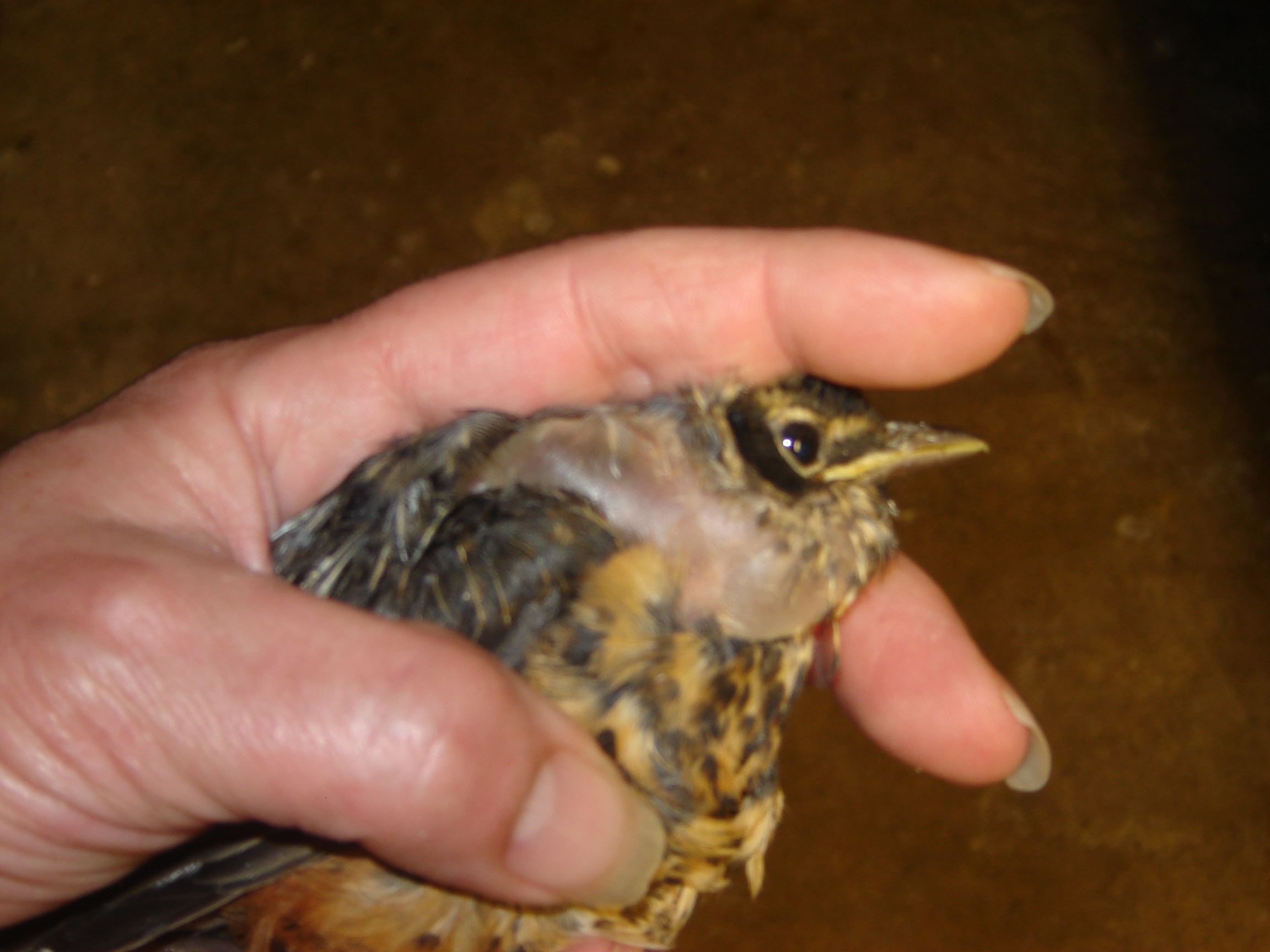
Even experienced rehabilitators can lose healthy cottontails to bloat, diarrhea, and sudden death. In Cottontail Breakthroughs – New Approaches for Higher Survival, we uncover the hidden factors behind these losses and introduce practical protocols that can dramatically improve survival.

Rather than repeating basic husbandry, this session focuses on the factors that quietly undermine success and the protocols that help prevent problems before they start.

This lecture explores practical breakthroughs developed through years of hands-on research at Red Creek Wildlife Center. These methods have significantly improved survival rates and overall health in rehabilitated cottontails.

If you are comfortable with the basics but want to increase survival, reduce setbacks, and gain new insights into cottontail care, this session will give you tools you can apply immediately in your own rehabilitation program.

Topics include:

  • How to keep stress and anxiety from killing your bunnies
    • Preventing digestive complications by addressing bacterial growth in feeding equipment
    • Practical feeding protocols that support healthy growth and development
    • New approaches to milk formulas and supplementation
    • Strategies that can dramatically improve survival during weaning and transition to greens

Already enrolled in the Complete Cottontail Course?

Good news — this material is already included in your program. The course has been updated to include these new protocols. Simply log in and review the updated material in Lesson 5.

LECTURE COST $ 9.95

ENROLL


Get FULL-ACCESS to ALL of our Courses

One Enrollment. Lifetime Access.

When you enroll in the Full-Access Program, you receive immediate access to every online course currently produced by Red Creek Wildlife Center through Wildlife EDU — along with all future Red Creek courses as they are released.

There are no annual fees, no renewals, and no hidden costs.

You enroll once, and your access remains active as the Wildlife EDU course library continues to grow

Why We Offer Full Access

Wildlife EDU was created to expand Red Creek Wildlife Center’s mission of helping wildlife through education.

Every year, thousands of animals arrive at wildlife rehabilitation centers across the country. The quality of care those animals receive depends heavily on the knowledge and preparation of the rehabilitators and volunteers who care for them.

By making professional training accessible online, we can help far more animals than those that arrive at Red Creek alone.

Our goal is simple:

Better education leads to better outcomes for wildlife.

Keeping Education Affordable

Most wildlife rehabilitators are volunteers. Many pay for supplies and training out of their own pocket.

Because of this, Red Creek has always tried to keep educational costs reasonable while still covering the expenses required to develop professional training materials.

The Full-Access option allows dedicated students to make a one-time investment in their education while gaining access to an expanding library of courses.

What You Receive

Full-Access enrollment includes:

• Immediate access to all current Red Creek Wildlife EDU courses
• Access to all future Red Creek courses as they are published
• Self-paced learning available anytime
• Instruction based on real-world wildlife rehabilitation experience
• Certificates issued for completed courses where applicable

Courses are designed for:

• New wildlife rehabilitators building a foundation
• Experienced rehabilitators refining techniques
• Volunteers working with wildlife centers
• Students preparing to enter wildlife rehabilitation

About Guest Lectures

Full-Access enrollment includes all courses created and published by
Red Creek Wildlife Center through Wildlife EDU.

Wildlife EDU may also host lectures created by guest instructors, including wildlife veterinarians, rehabilitators, and other professionals. These independently produced lectures may be offered separately and may not be included in the Full-Access program.

Already Purchased Individual Courses?

If you previously enrolled in individual Wildlife EDU courses, those enrollments can be credited toward Full-Access.

After you enroll, we will review your prior registrations and refund those course payments (up to the cost of the Full-Access enrollment).

Full Access Enrollment: $500

Please allow 24 hours for full enrollment to complete.

Wildlife Capture and Transport – Pennsylvania Certification

For those seeking permits for the capture and transport of wildlife in Pennsylvania, this eight-hour course is the first step helping you meet the Pennsylvania state permitting requirements.

For those seeking permits for the capture and transport of wildlife in Pennsylvania, this eight-hour course is the first step in helping you meet the Pennsylvania state permitting requirements.

This entertaining and enlightening course covers the basics of wildlife capture in the field including legal issues, safety, equipment, recognizing true emergencies, proper capture and handling techniques, public relations, and education.

A written exam will be given at the end of class. A passing score of 80% (along with sponsorship from a permitted wildlife rehabilitator and approval by the local WCO) is necessary for obtaining a permit in Pennsylvania.


Contents:

Introduction
Pennsylvania Laws and Regulations
Preparation
Initial Public Contact
Situational Planning
Adult Emergencies
Understanding Rabies
Baby Wildlife Emergencies
Common Baby Mammal Calls
Common Baby Bird Calls
Handling Raptors
Handling Non-Raptors
Handling Mammals
Capture
Entrapment
First Aid
Transport

A certificate for 8 hours will be awarded on completion of the course.

Each student needs to sign the Terms of Service Agreement prior to each course


ENROLLMENT

Enrollment Fee = $49.99

To enroll in any course you must first create a student account at our course gateway. You may then enroll in the course(s) of your choice.

Payment is made at the time of course selection.

ENTER THE GATEWAY HERE

Intake and Exam – Basics in Wildlife Rehabilitation Short Course

When an animal first arrives for rehabilitation, the initial steps you take to examine and stabilize the animal can impact its survivability. Your immediate actions can save the animal, or hasten its death.

When an animal first arrives for rehabilitation, the initial steps you take to examine and stabilize the animal can impact its survivability. Your immediate actions can save the animal, or hasten its death.

This is the first series of lessons in the
Basics in Wildlife Rehabilitation Series.

This set of lessons must be completed prior to advancing to several other lessons.

Contents:

  • Stress in the Wild Patient
  • Cursory Exam
  • Stabilization of Immediate Life-Threatening Conditions (ABCs)
  • Physical Exam


Each student needs to sign the Terms of Service Agreement prior to each course


ENROLLMENT

Enrollment Fee = $27.99


To enroll in any course you must first create a student account at our course gateway. You may then enroll in the course(s) of your choice.

Payment is made at the time of course selection.

A certificate for 4 hours will be presented on successful completion of the course

Each student needs to sign the Terms of Service Agreement prior to each course

ENTER THE GATEWAY HERE

Wound Care, Bandaging and Splinting – Basics in Wildlife Rehabilitation

Most adult wild animals admitted for rehabilitation are suffering from injuries. Being able to properly address wounds and splint fractures are important skills for the wildlife rehabilitator. This course contains the essentials for helping an animal recover from traumatic injuries.

Most adult wild animals admitted for rehabilitation are suffering from injuries. Being able to properly address wounds and splint fractures are important skills for the wildlife rehabilitator. This course contains the essentials for helping an animal recover from traumatic injuries.

Contents:

Introduction – Wound Terminology
Fracture Terminology
Fracture Placement
Basic Wound Care
Introduction to Bandaging
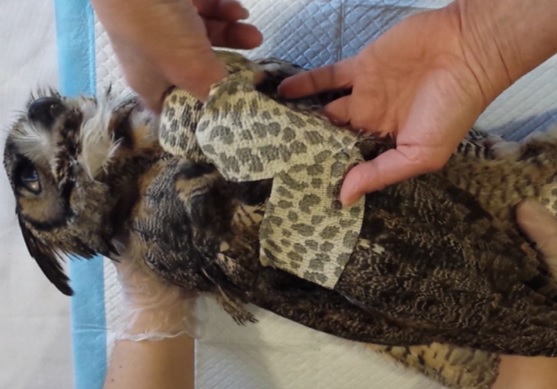
Bandaging Fractures
Applying a Figure 8 Bandage (Step-by-step with movies)
Applying a Figure 8 Bandage with a Body Wrap (Step-by-step with movies)
5-05 Bandaging Limbs (Step-by-step with movies)
5-06 Getting Creative with Bandaging

A certificate for 8 hours will be awarded on completion of the course.

Each student needs to sign the Terms of Service Agreement prior to each course


ENROLLMENT

Enrollment Fee = $49.99

To enroll in any course you must first create a student account at our course gateway. You may then enroll in the course(s) of your choice.

Payment is made at the time of course selection.

ENTER THE GATEWAY HERE

Basic Avian Anatomy for Wildlife Rehabilitators

This short-course only takes about 2 hours to complete but has all of the “need-to-know” information on avian anatomy for a wildlife rehabilitator.

Understanding the basic anatomy of a bird, and the proper terminology is essential for identification, handling, bandaging orthopedic injuries, and when communicating with your veterinarian.

This short-course only takes about 2 hours to complete but has all of the “need-to-know” information on avian anatomy for a wildlife rehabilitator.

Included:

Basic Anatomy Terminology
Avian respiration
Ruptured air sacs
The avian skeletal system

A certificate for 3 hours will be presented on successful completion of the course

Each student needs to sign the Terms of Service Agreement prior to each course


ENROLLMENT

Enrollment Fee = $27.99

To enroll in any course you must first create a student account at our course gateway. You may then enroll in the course(s) of your choice.

Payment is made at the time of course selection.

ENTER THE GATEWAY HERE

Non-Profit Workshop for Pennsylvania Wildlife Rehabilitators

Becoming a non-profit wildlife rehabilitation center in Pennsylvania need not be complicated, nor expensive.

In an effort to help wildlife rescues become successful, Red Creek Wildlife Center and Wildlife EDU offers this step-by-step course in filing all of the forms and meeting the requirements for becoming a incorporated in Pennsylvania.

Please note: This workshop is specifically designed for Pennsylvania Wildlife Rehabilitators who wish to become incorporated and apply for IRS 501c3 status as a non-profit charity.

Individuals outside of Pennsylvania, and those wanting to to start a charity that is not wildlife rehabilitation may benefit from this workshop, but will have to adapt what they learn to their state and their mission.

This course includes

1 – NP Workshop – Introduction
1A – NP Workshop – Instructions
2 – NP Workshop – Record Keeping
3 – NP Workshop – Naming Your Organization part 1
4 – NP Workshop – Naming Your Organization part 2 – trademarks
5 – NP Workshop – Naming Your Organization part 4 – registering your name
5A – Applying for an EIN Number
6 – NP Workshop – Naming Your Organization part 5 – securing your name
7 – NP Workshop – Mission Statement
8 – NP Workshop – ByLaws – Part 1
9 – NP Workshop – ByLaws – Part 2
10 – NP Workshop – Articles of Incorporation – Part 1
11 – NP Workshop – Articles of Incorporation – Part 2
12 – NP Workshop – Articles of Incorporation – Part 3
13 – NP Workshop – Articles of Incorporation – Part 4 – Docketing Statement
14 – NP Workshop – Articles of Incorporation – Part 5 – Assembling the packet
14a – NP Workshop – Articles of Incorporation – Part 6 – Advertising Requirement
15 – NP Workshop – PA Charities Registration – Part 1 – Overview
16 – NP Workshop – PA Charities Registration – Part 2 – Filing Forms
17 – NP Workshop – 501c3 – Part 1 – Overview
18 – NP Workshop – 501c3 – Part 2
19 – NP Workshop – 501c3 – Part 3
20 – NP Workshop – 501c3 – Part 4
21 – NP Workshop – 501c3 – Part 5
22 – NP Workshop – 501c3 – Part 6
23 – NP Workshop – 501c3 – Part 7
24 – NP Workshop – 501c3 – Part 8
25 – NP Workshop – 501c3 – Part 9
26 – NP Workshop – Making Your Organization Successful


ENROLLMENT

Enrollment Fee = $79.99

To enroll in any course you must first create a student account at our course gateway. You may then enroll in the course(s) of your choice.

Payment is made at the time of course selection.


ENTER THE GATEWAY HERE

Fluid Therapy for Wildlife Rehabilitators

In wildlife rehabilitation, almost every animal that comes in is going to be suffering from some level of dehydration. Rehydration alone can save many of your treatable patients.

Being able to detect and treat hydration properly may be the most important skill for a wildlife rehabilitator.

Course Information:

This self-paced, non-accredited course will prepare the wildlife rehabilitator to detect an animal’s level of dehydration, calculate an effect rehydration protocol for the animals, properly select the right fluids for its condition, as well as administer fluid therapy by oral and injectable methods common in a wildlife rehabilitation setting.

      • Identifying Dehydration
      • Understanding Replacement Fluids
      • PH Balance Effect of Dehydration
      • Rehydration Math (part-1)(ratios)
      • Calculating a Rehydration Protocol
      • Fluid Administration Routes – Oral (with video instruction)
      • Preparing Fluid for Injection (with video instruction)
      • Fluid Administration Routes – Subcutaneous (with video instruction)
      • Fluid Administration Routes – Intraperitoneal (with video instruction)
      • Fluid Administration Routes – IV and IO (with video instruction)

A certificate for 8 hours will be awarded on completion of the course.

Each student needs to sign the Terms of Service Agreement prior to each course


ENROLLMENT

Enrollment Fee = $49.99

To enroll in any course you must first create a student account at our course gateway. You may then enroll in the course(s) of your choice.

Payment is made at the time of course selection.

ENTER THE GATEWAY HERE

Essential Nutrition for Wildlife Rehabilitators

Compared to the variety an animal eats in the wild, food offered in a wildlife rehabilitation setting is quite limited. Optimal nutrition is important for growth, healing and conditioning.

It is essential that food offered meets the highest nutritional composition and is easily recognized and digested by the species.

This class includes the essentials a wildlife rehabilitator needs to meet these goals.


Included:

Refeeding Syndrome in Wildlife Patients
Calculating Calories
Trophic Categories, the Key to Meeting an Animal’s Diet
Carnivore Nutrition
Piscivore Nutrition
Calculating Thiamin Supplementation in the Piscivore Diet
Insectivore Nutrition
Substitution Diets for Wildlife
Avoiding Metabolic Bone Disease
Calculating Calcium Correction of Diets
Overview of Vitamins and Minerals
Understanding Milk Composition
Creating Milk Formulas that Meet a Species Needs’
Nestling Nutrition

A certificate for 8 hours will be presented on successful completion of the course

Each student needs to sign the Terms of Service Agreement prior to each course


ENROLLMENT

Enrollment Fee = $49.99

To enroll in any course you must first create a student account at our course gateway. You may then enroll in the course(s) of your choice.

Payment is made at the time of course selection.

ENTER THE GATEWAY HERE